
Looking for information about small bathroom remodel? This comprehensive guide covers everything Massachusetts homeowners need to know.
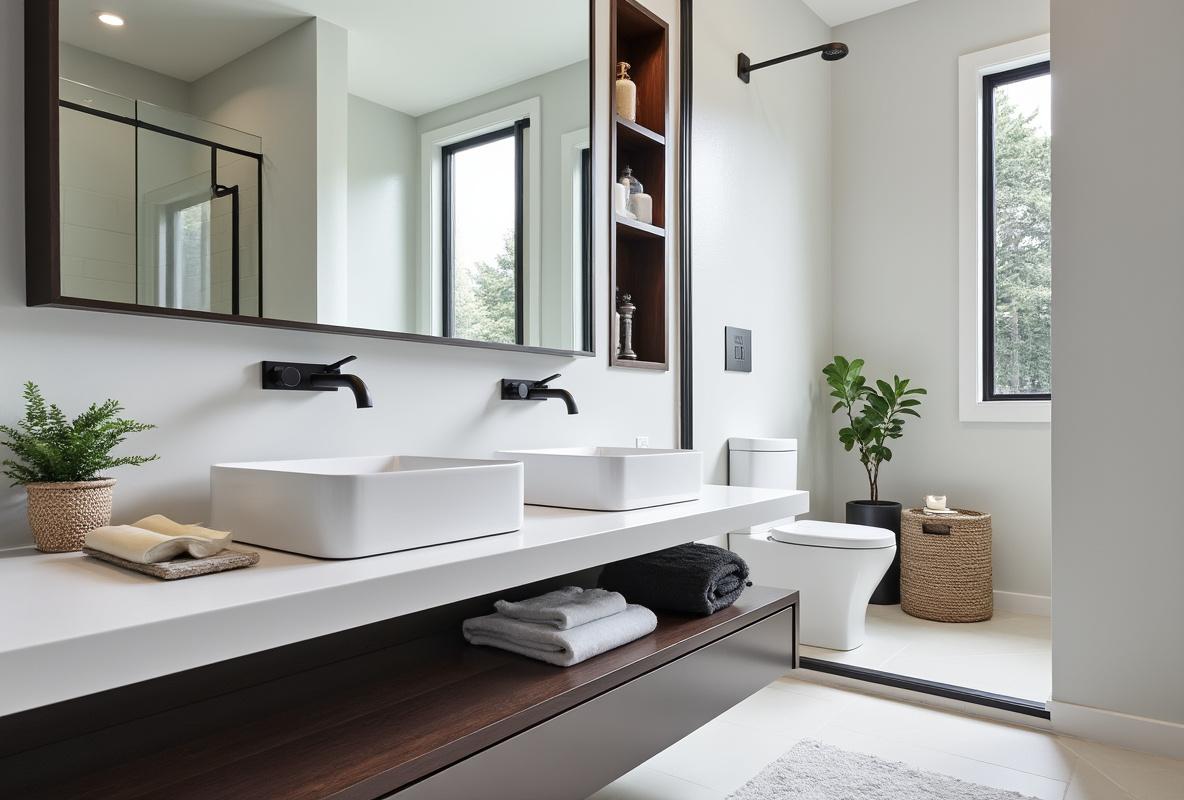
Remodeling a small bathroom can be one of the most impactful home improvement projects you undertake. A well-designed and executed small bathroom remodel can dramatically improve your daily life and increase the value of your home. However, renovating a smaller space requires careful planning and attention to detail, especially in older Massachusetts homes where unique challenges often arise.
Ventilation: Combating Moisture in New England Bathrooms
Proper ventilation is crucial in any bathroom, but it’s especially important in a small space prone to moisture buildup. Massachusetts winters can bring significant humidity, and without adequate ventilation, moisture can lead to mold growth, peeling paint, and even structural damage. When planning your small bathroom remodel, prioritize a high-quality exhaust fan. Look for a fan with a sufficient CFM (cubic feet per minute) rating based on the bathroom’s size. A general rule of thumb is 1 CFM per square foot of bathroom space. If your bathroom is larger or includes a shower, consider a fan with a higher CFM rating or a timer to ensure it runs long enough after showering.
Consider these ventilation factors in Massachusetts:
- Cold Climate: Ensure the vent is properly insulated to prevent condensation within the ductwork and potential ice dams in the winter.
- Existing Ductwork: If you’re replacing an existing fan, inspect the ductwork for damage or obstructions. Older homes may have inadequate or poorly routed ductwork that needs to be replaced.
- Window Placement: If your bathroom has a window, consider a model with a built-in humidity sensor that automatically turns on when moisture levels rise.
Waterproofing: Protecting Your Home from Water Damage
Waterproofing is paramount in any bathroom renovation, and even more so in small bathrooms where water splashes can reach every surface. In Massachusetts, with our freeze-thaw cycles, water damage can quickly escalate into costly repairs. Before tiling, ensure that all surfaces, particularly around the shower or tub, are properly waterproofed. This typically involves applying a waterproof membrane to the subfloor and walls.
Here are some crucial waterproofing considerations:
- Shower/Tub Surround: Use a cement board or other waterproof backer board behind the tile. Apply a waterproof membrane like Schluter Kerdi or RedGard over the backer board.
- Flooring: Ensure the subfloor is level and stable before applying a waterproof membrane and installing tile.
- Grout: While grout is not inherently waterproof, using epoxy grout can significantly improve water resistance. Seal grout regularly to maintain its integrity.
- Plumbing Penetrations: Pay close attention to sealing around pipes and fixtures where they penetrate walls or floors. Use a high-quality sealant to prevent water from seeping behind surfaces.
Plumbing Considerations in Massachusetts Homes
Older Massachusetts homes often present unique plumbing challenges. Before starting your small bathroom remodel, have a licensed plumber inspect your existing plumbing system. They can identify potential issues such as corroded pipes, outdated fixtures, or inadequate water pressure. Depending on the age of your home, you may need to upgrade your plumbing to meet current building codes and ensure proper functionality.
Key plumbing considerations include:
- Pipe Material: Older homes may have lead or galvanized steel pipes, which should be replaced with copper or PEX.
- Drainage: Ensure that the drain lines are properly sized and sloped to prevent clogs and backups.
- Fixture Placement: Consider the existing plumbing layout when choosing new fixtures. Moving plumbing can significantly increase the cost of your remodel.
- Water Pressure: Low water pressure can be a problem in older homes. A plumber can assess your water pressure and recommend solutions if needed.
- Local Codes: Ensure all plumbing work complies with Massachusetts plumbing codes and regulations. A licensed plumber will be familiar with these requirements.
Fixtures, Tile, and Lighting: Making the Most of Limited Space
Choosing the right fixtures, tile, and lighting is essential for creating a functional and visually appealing small bathroom. Opt for space-saving fixtures such as wall-mounted sinks, corner toilets, or shower-tub combinations. Light colors and large-format tiles can make the space feel larger and brighter. Strategic lighting can also significantly enhance the ambiance and functionality of the room.
Fixture and Tile Selection:
- Toilets: Consider a compact or wall-hung toilet to save space.
- Sinks: Pedestal sinks, wall-mounted sinks, or vanity sinks with storage are great options for small bathrooms.
- Showers/Tubs: A shower-tub combination is a space-saving solution. Glass shower doors can help to open up the space visually.
- Tile: Use light-colored tiles to create a brighter and more spacious feel. Large-format tiles can minimize grout lines and make the room appear larger. Consider installing tile vertically to visually increase the height of the room.
Lighting Strategies:
- Layered Lighting: Combine ambient, task, and accent lighting for a well-lit and functional space.
- Recessed Lighting: Recessed lights provide general illumination without taking up valuable space.
- Vanity Lighting: Install vanity lights on either side of the mirror for even lighting that minimizes shadows.
- Shower Lighting: Install a waterproof recessed light in the shower for safety and visibility.
Planning Your Massachusetts Small Bathroom Remodel
A successful small bathroom remodel requires careful planning and attention to detail. Start by creating a detailed plan that includes your budget, timeline, and design preferences. Consider hiring a professional contractor to help you with the design and execution of the project. A contractor can provide valuable expertise and ensure that the project is completed to code and within budget. Remember that in older Massachusetts homes, unexpected issues can arise, so it’s crucial to have a contingency plan in place. A qualified general contractor like Sun Shore Construction can help navigate these challenges and ensure a smooth and successful renovation.
Here are some tips for planning your remodel:
- Set a Realistic Budget: Determine how much you can afford to spend on the remodel. Factor in the cost of materials, labor, and potential unforeseen expenses.
- Create a Detailed Plan: Outline the scope of the project, including the fixtures you want to replace, the tile you want to use, and any structural changes you want to make.
- Obtain Necessary Permits: Check with your local building department to determine if any permits are required for the remodel.
- Hire a Qualified Contractor: Choose a contractor with experience in bathroom remodeling. Check references and ensure that they are licensed and insured.
- Establish a Timeline: Work with your contractor to create a realistic timeline for the project. Be prepared for potential delays due to material shortages or unexpected issues.
By carefully planning and executing your small bathroom remodel, you can transform your outdated bathroom into a functional and stylish space that you will enjoy for years to come.
Ready to start your project? Contact Sun Shore Construction for Free consultation and estimate.