
Looking for information about basement finishing? This comprehensive guide covers everything Massachusetts homeowners need to know.
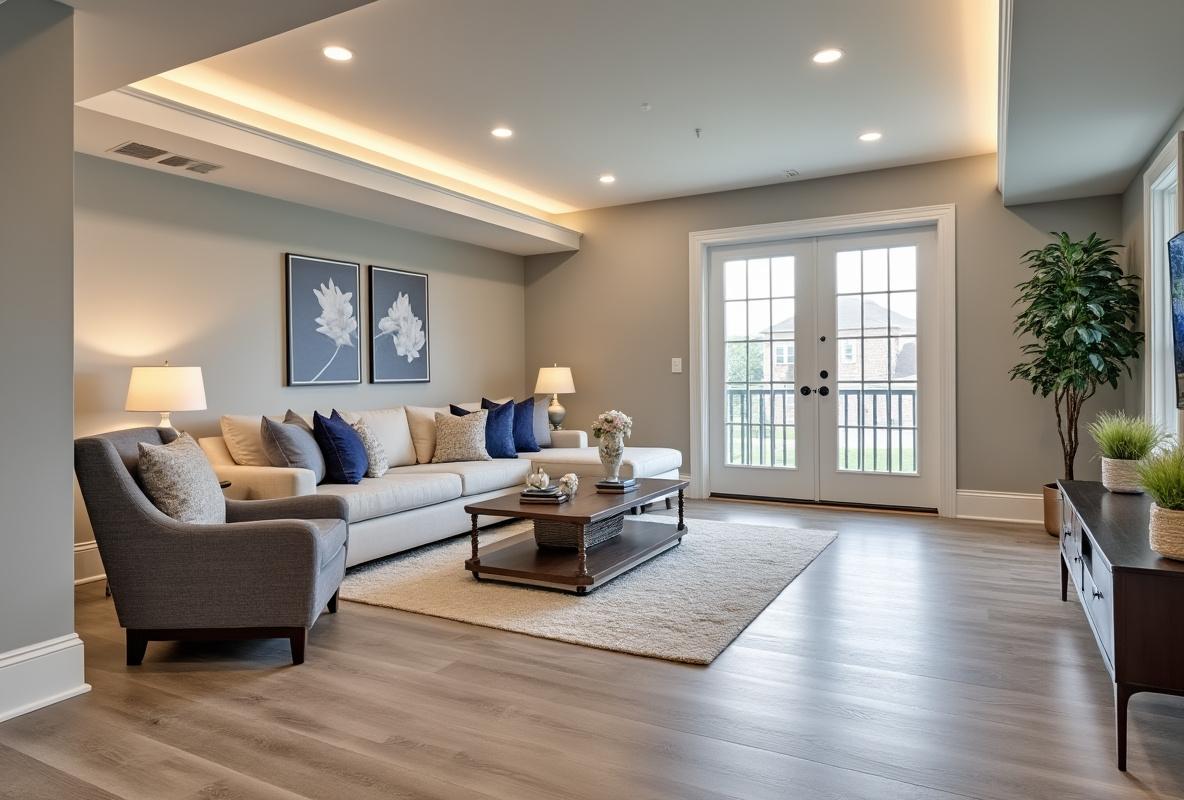
Many Massachusetts homeowners are looking to maximize their living space, and basement finishing is a cost-effective way to do just that. Transforming a cold, damp storage area into a comfortable and functional extension of your home can significantly increase its value and improve your family’s quality of life. However, a successful basement remodel requires careful planning and attention to detail, especially considering the unique challenges posed by Massachusetts foundations and climate. Sun Shore Construction, proudly serving Needham, Newton, Lexington, Boston, Wellesley, Brookline, Weston, and surrounding communities, understands these challenges and provides expert basement finishing services to ensure a long-lasting and enjoyable result.
Moisture Control: The Foundation of a Dry Basement
The first and most crucial step in any Massachusetts basement finishing project is addressing moisture control. Basements are inherently prone to dampness due to their location below ground level. Ignoring this issue will inevitably lead to mold growth, structural damage, and an unhealthy living environment. Older homes in Massachusetts are particularly susceptible to moisture problems due to their aging foundations and drainage systems.
Effective moisture control strategies include:
- Exterior Waterproofing: This involves excavating around the foundation and applying a waterproof membrane to the exterior walls. While more invasive, it’s the most effective long-term solution. Consider this if you have persistent water intrusion issues.
- Interior Waterproofing: Interior solutions include applying waterproof coatings to the interior walls, installing a French drain system along the perimeter of the foundation, and using a sump pump to remove any accumulating water. This is a good option for moderate moisture issues.
- Dehumidification: A high-quality dehumidifier is essential for maintaining a healthy humidity level in your finished basement. Choose a model that is specifically designed for basement use and can handle the moisture load.
- Proper Ventilation: Ensure adequate ventilation in the finished basement to prevent moisture buildup. This can be achieved through the use of exhaust fans and strategically placed windows.
Egress Requirements: Ensuring Safety and Compliance
Egress is a critical safety consideration for any finished basement, and local building codes in Massachusetts mandate specific egress requirements. Egress refers to a safe and accessible exit route in case of an emergency, such as a fire.
Generally, a finished basement requires at least one egress window or door that meets the following criteria:
- Minimum Size: The egress opening must have a minimum net clear opening of 5.7 square feet.
- Minimum Height and Width: The minimum clear opening height must be 24 inches, and the minimum clear opening width must be 20 inches.
- Sill Height: The sill height of the egress window or door cannot be more than 44 inches above the floor.
- Window Well: If an egress window is located below ground level, it must have a window well that meets specific size and drainage requirements.
Consult with your local building inspector or a qualified contractor like Sun Shore Construction to ensure that your egress meets all applicable code requirements. Failure to comply with these regulations can result in costly delays and fines.
Insulation: Creating a Comfortable and Energy-Efficient Space
Proper insulation is essential for creating a comfortable and energy-efficient finished basement. Massachusetts experiences cold winters and humid summers, so adequate insulation is crucial for maintaining a consistent temperature and reducing energy costs. Insulating your basement walls and floors will also help to prevent moisture condensation and mold growth.
Recommended insulation materials for basement finishing include:
- Rigid Foam Insulation: Rigid foam is an excellent choice for basement walls because it provides both insulation and a moisture barrier. It is available in various thicknesses and R-values.
- Spray Foam Insulation: Spray foam insulation is another effective option for basement walls. It expands to fill cracks and crevices, creating an airtight seal.
- Fiberglass Batt Insulation: While fiberglass batt insulation is a common choice for above-grade walls, it is not recommended for basement walls unless it is properly protected from moisture.
- Insulated Concrete Forms (ICFs): ICFs are a more advanced option that involves using interlocking foam blocks to create the foundation walls. They provide excellent insulation and structural support.
Pay close attention to proper sealing of all seams and penetrations to prevent air leaks and maximize the effectiveness of the insulation. Local energy efficiency programs may offer rebates or incentives for upgrading your insulation.
Creating Usable Living Space: Design and Functionality
Once you’ve addressed moisture control, egress, and insulation, you can focus on designing a functional and aesthetically pleasing living space. Consider how you plan to use the finished basement and choose a design that meets your specific needs.
Common uses for finished basements include:
- Family Room: A comfortable and inviting space for relaxation and entertainment.
- Home Office: A dedicated workspace for remote work or study.
- Playroom: A safe and fun environment for children to play.
- Home Theater: A dedicated space for watching movies and enjoying audio.
- Guest Suite: A private and comfortable space for overnight guests.
- Home Gym: A convenient space for working out.
Carefully plan the layout of the finished basement to maximize space and functionality. Consider the placement of walls, doors, windows, and electrical outlets. Pay attention to lighting and choose fixtures that provide adequate illumination. Also, selecting the right flooring is important. Given the potential for moisture, opt for flooring materials designed for basements, like engineered wood, tile, or specialized basement carpeting.
Massachusetts Foundation Considerations
Massachusetts homes, especially older ones, often present unique foundation challenges during basement finishing. Many older homes have fieldstone foundations, which can be uneven and porous, making moisture control more complex. Others might have hairline cracks from settling over decades. Before beginning basement finishing, a thorough inspection is essential to identify any structural issues or potential problems. Addressing these issues proactively will prevent costly repairs down the road. It’s crucial to use appropriate materials and techniques to accommodate these specific conditions. A qualified contractor experienced in Massachusetts foundations, like Sun Shore Construction, can navigate these challenges effectively.
Ready to start your project? Contact Sun Shore Construction for Free consultation and estimate.