
Looking for information about basement remodeling? This comprehensive guide covers everything Massachusetts homeowners need to know.
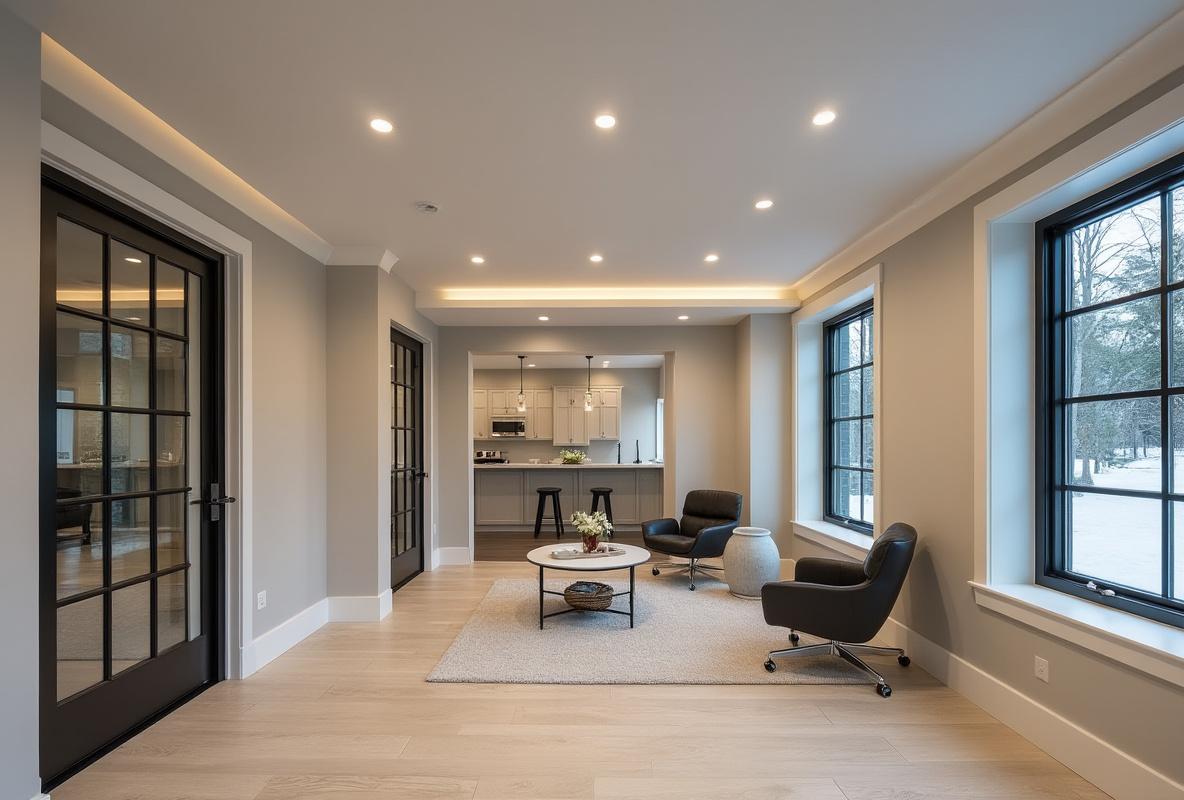
Basement Remodeling: Creating Comfortable Living Space in Massachusetts
Many homeowners in Needham, Newton, Lexington, Boston, Wellesley, Brookline, Weston, and surrounding Massachusetts communities are looking to maximize their living space. Basement remodeling offers a fantastic opportunity to add value and functionality to your home. However, transforming your basement into a comfortable and usable area requires careful planning and execution, especially considering the unique challenges posed by the Massachusetts climate and older housing stock.
Addressing Moisture Control in Your Massachusetts Basement
Moisture is the biggest enemy of a finished basement. Massachusetts basements are particularly susceptible to moisture intrusion due to our climate and the age of many homes. Before starting any basement remodeling project, it's crucial to address any existing moisture problems. This involves:
- Identifying the Source: Is the moisture coming from groundwater, rainwater runoff, or condensation? A professional inspection can help pinpoint the source.
- Exterior Waterproofing: This may involve improving drainage around the foundation, applying a waterproof coating to the exterior foundation walls, and ensuring proper grading to direct water away from the house.
- Interior Waterproofing: Interior options include applying a waterproof sealant to the interior walls, installing a vapor barrier, and using a sump pump to remove any standing water.
- Dehumidification: Even after waterproofing, a dehumidifier is often necessary to maintain a comfortable humidity level and prevent mold growth.
Ignoring moisture issues will lead to mold, mildew, and damage to your finished basement, costing you significantly more in the long run. Proper moisture control is the foundation for a successful basement remodeling project.
Egress Requirements for Safety and Compliance
Egress refers to the ability to safely exit a basement in case of an emergency. Building codes in Massachusetts, like most places, have strict egress requirements for any finished basement that will be used as a living space, particularly bedrooms. Generally, this means:
- An Egress Window: This window must be large enough and low enough to the ground to allow easy escape. Specific dimensions are mandated by code and vary slightly by municipality.
- An Egress Door: A door leading directly outside also fulfills the egress requirement.
- Window Wells: If the egress window is below grade, a window well is required to provide access to the window. The window well must be large enough to allow someone to climb out.
Ensuring your basement remodeling project meets egress requirements is not only about complying with building codes; it's about ensuring the safety of your family. A professional contractor like Sun Shore Construction is knowledgeable about local codes and can ensure your project meets all necessary requirements.
Insulation: Creating a Comfortable and Energy-Efficient Space
Proper insulation is essential for creating a comfortable and energy-efficient basement. Basements tend to be colder than the rest of the house, so adequate insulation is crucial for maintaining a consistent temperature and reducing energy costs. Consider these insulation options:
- Rigid Foam Insulation: This is a popular choice for basement walls as it provides excellent thermal performance and is resistant to moisture.
- Spray Foam Insulation: Spray foam fills cracks and crevices, providing an airtight seal and excellent insulation. It's particularly effective in older homes with uneven foundation walls.
- Batt Insulation: While less moisture-resistant than foam options, batt insulation can be used in conjunction with a vapor barrier.
In Massachusetts, it's important to choose insulation materials that are appropriate for basement environments and that meet local building codes. Consult with a professional to determine the best insulation strategy for your specific basement remodeling project.
Creating Usable Living Space: Design and Functionality
Once you've addressed moisture, egress, and insulation, it's time to focus on the design and functionality of your finished basement. The possibilities are endless. Common basement remodeling projects include:
- Home Theater: A dedicated space for movie nights and entertainment.
- Home Office: A quiet and productive workspace.
- Playroom: A dedicated area for children to play and explore.
- Guest Suite: A comfortable and private space for visiting guests.
- Gym or Workout Room: A convenient space for staying active.
- Additional Living Room: A casual space for relaxing and entertaining.
Carefully consider how you plan to use the space and design accordingly. Think about lighting, flooring, and layout. Proper lighting is essential for making a basement feel bright and inviting. Consider using a combination of recessed lighting, task lighting, and accent lighting. For flooring, choose materials that are moisture-resistant and comfortable underfoot. Popular options include engineered wood, tile, and carpet designed for basements. When planning the layout for your basement remodeling, think about how the different areas will flow together. Consider incorporating storage solutions to keep the space organized and clutter-free. Don't forget to factor in Massachusetts foundation considerations, which can affect the placement of walls and utilities.
Massachusetts Foundation Considerations for Basement Remodeling
Massachusetts presents unique challenges to basement remodeling because of our climate and older housing stock. The freeze-thaw cycle can put stress on foundations, leading to cracks and leaks. Older homes may have outdated foundations that require reinforcement or repair before finishing the basement. Also, some municipalities have specific regulations regarding basement finishing, such as restrictions on the types of materials that can be used or requirements for additional ventilation.
When considering basement remodeling, it is vital to engage a contractor experienced with Massachusetts homes and knowledgeable about local building codes. Ensure your contractor understands how the state's freeze-thaw cycle and typical older home construction can affect the longevity of the completed project.
A successful basement remodeling project not only increases your home's value but also provides valuable additional living space for you and your family. By addressing moisture control, ensuring proper egress, selecting appropriate insulation, and designing a functional layout, you can transform your basement into a comfortable and enjoyable part of your home. Careful planning and execution, combined with expert guidance, are key to a successful outcome.
Ready to start your project? Contact Sun Shore Construction for Free consultation and estimate.