
If you’re searching for information about questions to ask a contractor, you’ve come to the right place.
As experienced Massachusetts contractors, we’ve helped hundreds of homeowners navigate their renovation projects successfully.
Embarking on a home renovation or new construction project can be both exciting and daunting. Choosing the right contractor is crucial to ensuring your vision becomes a reality, on time and within budget. In Massachusetts, with its unique climate, older homes, and specific building codes, the stakes are even higher. This guide provides a comprehensive list of questions to ask a contractor before you sign on the dotted line, helping you make an informed decision and avoid costly mistakes.
Why Thoroughly Vetting Contractors is Essential
Hiring a contractor is a significant investment, not just financially, but also in terms of time, stress, and the future enjoyment of your home. Rushing into a decision without asking the right questions to ask a contractor can lead to subpar workmanship, unexpected costs, project delays, and even legal issues. In Massachusetts, where we experience harsh winters and hot summers, proper insulation, weatherproofing, and structural integrity are paramount. Furthermore, many homes in areas like Needham, Newton, and Brookline are older and require contractors experienced in working with unique architectural styles and potential historical preservation guidelines. Taking the time to ask the right questions to ask a contractor is a vital step in protecting your investment and ensuring a successful outcome.
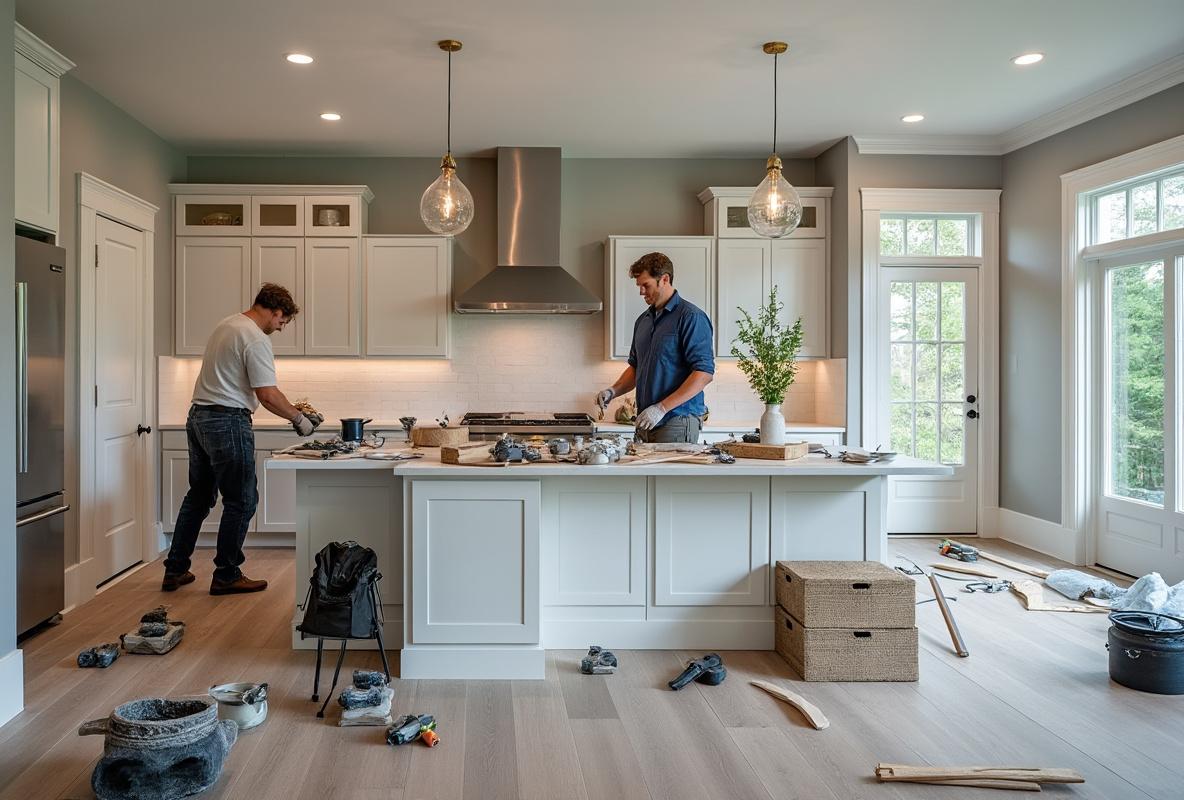
Key Considerations When Selecting a Contractor in Massachusetts
Before you start compiling your list of questions to ask a contractor, consider these essential factors:
- Experience: How long has the contractor been in business, and what types of projects have they successfully completed? Pay particular attention to experience with projects similar to yours, especially within Massachusetts.
- Licensing and Insurance: A valid Massachusetts Construction Supervisor License is a must, as is adequate contractor insurance, including general liability and workers’ compensation. Verify their license with the state.
- Reputation: Check online reviews, ask for references, and even drive by past projects. A contractor’s reputation speaks volumes about their quality of work and customer service.
- Communication: Is the contractor responsive, clear, and willing to answer your questions thoroughly? Good communication is essential for a smooth and successful project. This includes understanding their approach to project management.
- Price: While price shouldn’t be the sole deciding factor, it’s important to get a detailed breakdown of costs and ensure the bid is competitive and transparent. Be wary of unusually low bids, as they may indicate corner-cutting or hidden fees.
The Essential Questions to Ask a Contractor: A Step-by-Step Guide
This step-by-step guide will help you formulate your questions to ask a contractor, ensuring you cover all the critical aspects of your project.
- Initial Contact and Qualification:
- Are you licensed and insured to work in Massachusetts? (Request proof of insurance and license number to verify online)
- How long have you been in business?
- Do you specialize in projects like mine? If so, can you provide examples of similar projects you’ve completed in the Needham, Newton, Lexington, or surrounding areas?
- Can you provide references from previous clients? (Follow up with these references!)
- Project Scope and Planning:
- Can you provide a detailed written estimate, breaking down all costs (labor, materials, permits, etc.)?
- What is your proposed construction timeline for the project? What factors could cause delays, and how would you mitigate them?
- How do you handle change orders?
- Will you be obtaining the necessary building permits? If not, what documentation do I need to secure them myself? In Massachusetts, it’s important to ensure proper permitting due to local regulations.
- What is your process for managing the project and communicating updates to me? Ask about their project management tools and strategies.
- What is your policy on site cleanliness and waste disposal?
- Who will be my main point of contact during the project?
- Materials and Workmanship:
- What types of materials do you typically use, and why? Are they appropriate for the Massachusetts climate?
- Do you offer any warranties on your workmanship or materials?
- Will you be using subcontractors? If so, are they licensed and insured?
- How do you ensure the quality of your work and the work of your subcontractors?
- Payment and Contract:
- What is your payment schedule?
- Do you offer financing options?
- Can I see a copy of your standard contract? (Review this carefully with an attorney if needed)
- What is your cancellation policy?
Understanding Renovation Budget Factors
The renovation budget is a critical aspect of any home improvement project. Several factors influence the overall cost:
- Scope of Work: The size and complexity of the project are primary drivers of cost. A simple bathroom remodel will be less expensive than a full kitchen renovation.
- Materials: The quality and type of materials you choose will significantly impact the renovation budget. High-end finishes and appliances will increase costs.
- Labor: The cost of labor varies depending on the contractor’s experience, the complexity of the job, and local market rates.
- Permits and Fees: Building permits and other associated fees can add to the overall cost.
- Unexpected Issues: It’s always wise to factor in a contingency fund (typically 10-20% of the total renovation budget) to cover unforeseen problems, such as hidden damage or unexpected repairs. This is especially important in older Massachusetts homes.
In Massachusetts, labor costs tend to be higher than the national average. Material costs can also be elevated due to transportation and local demand. A basic bathroom remodel might range from $10,000 to $20,000, while a full kitchen renovation can easily exceed $50,000 or more. Always obtain multiple estimates to get a sense of the market rate for your specific project.
Common Mistakes to Avoid When Hiring a Contractor
Avoiding these common pitfalls can save you time, money, and stress:
- Not getting multiple bids: Always get at least three estimates from different contractors to compare pricing and scope of work.
- Choosing solely based on price: The lowest bid is not always the best option. Consider the contractor’s experience, reputation, and communication skills.
- Not checking references: Talk to previous clients to get firsthand feedback on the contractor’s performance.
- Failing to review the contract carefully: Understand all the terms and conditions before signing the contract.
- Making large upfront payments: Avoid paying a large percentage of the total cost upfront. A reasonable deposit is acceptable, but the majority of the payment should be tied to milestones throughout the project.
- Not communicating clearly: Maintain open communication with the contractor throughout the project. Address any concerns promptly and in writing.
Frequently Asked Questions
What happens if the contractor damages my property?
A reputable contractor should have adequate contractor insurance to cover any accidental damage to your property during the project. Review their insurance policy and ensure it includes general liability coverage.
What if the contractor doesn’t complete the work as agreed?
Your contract should outline the scope of work, payment schedule, and dispute resolution process. If the contractor fails to complete the work as agreed, you may have legal recourse. Consult with an attorney if necessary.
How do I handle disagreements with the contractor?
First, attempt to resolve the issue directly with the contractor through clear and respectful communication. Document all communication in writing. If you are unable to reach a resolution, consider mediation or arbitration. As a last resort, you may need to pursue legal action.
Conclusion
Asking the right questions to ask a contractor is the most important step you can take toward ensuring a successful home renovation or construction project. By thoroughly vetting potential contractors, understanding the cost factors involved, and avoiding common mistakes, you can protect your investment and enjoy the home of your dreams. Remember to prioritize experience, licensing, insurance, and clear communication. For homeowners in Needham, Newton, Lexington, Boston, Wellesley, Brookline, Weston, and surrounding Massachusetts communities, understanding local codes and the unique challenges of older homes is paramount.
Ready to start your project? Contact Sun Shore Construction for a free consultation.