
Looking for information about basement renovation contractors? This comprehensive guide covers everything Massachusetts homeowners need to know.
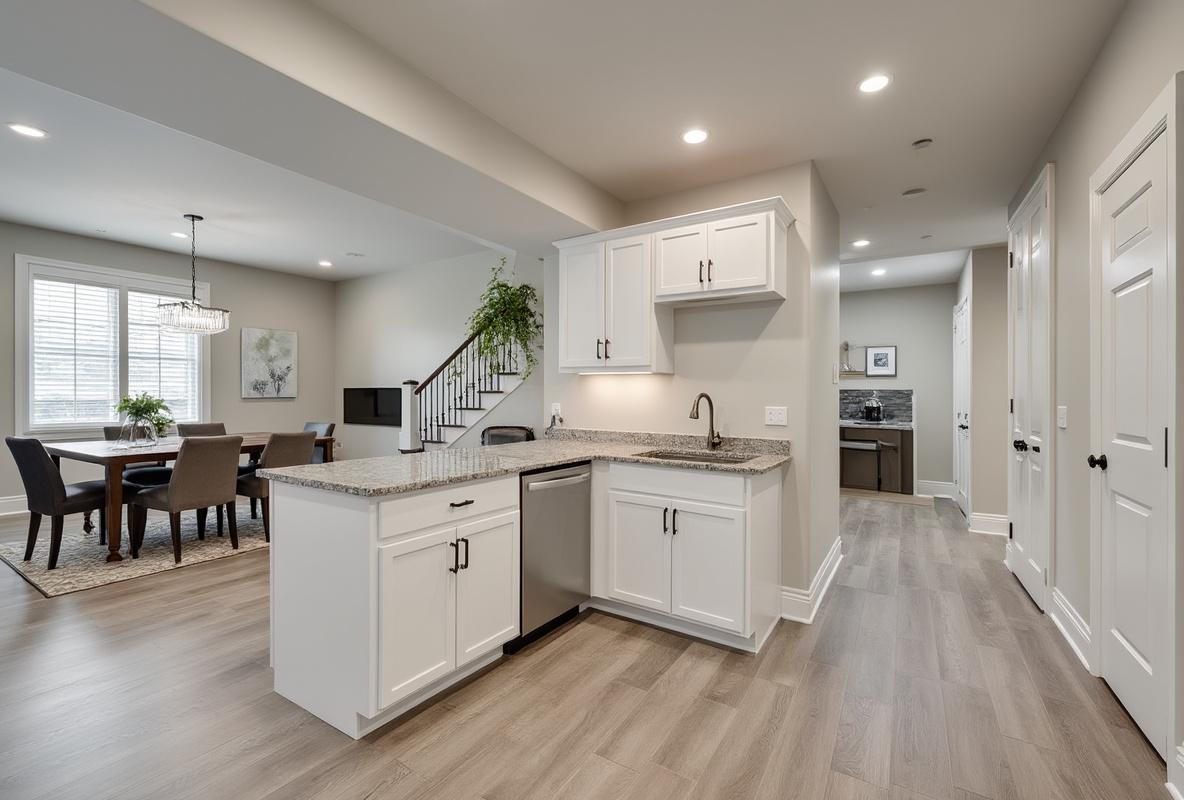
Unlocking the hidden potential beneath your home, a basement renovation can dramatically increase your living space and property value. In Massachusetts, however, basement finishing requires careful consideration of several factors, from moisture control to local building codes. As experienced basement renovation contractors, Sun Shore Construction is here to guide you through the key aspects of transforming your unfinished basement into a comfortable and functional living area.
Understanding Massachusetts Basement Conditions
Massachusetts homes, particularly those in older communities like Needham, Newton, Lexington, Boston, Wellesley, Brookline, and Weston, often face unique challenges related to basement construction. Our climate brings both freezing winters and humid summers, which can significantly impact basement moisture levels. Many older homes also have fieldstone or poured concrete foundations that, while structurally sound, may be more susceptible to moisture intrusion than modern construction. These factors make proper planning and execution crucial for any basement renovation project. Before you start thinking about paint colors and furniture, it’s essential to address the underlying structural and environmental factors.
Mastering Moisture Control
Moisture is the number one enemy of a finished basement. Ignoring it can lead to mold growth, wood rot, and a generally unpleasant environment. Effective moisture control starts with a comprehensive assessment of your basement’s existing condition. Look for signs of water intrusion, such as efflorescence (a white, powdery deposit on the walls), damp spots, or musty odors. Several steps can be taken to mitigate moisture problems:
- Exterior Grading and Drainage: Ensure that the ground slopes away from your foundation to direct water away from your home. Clean gutters and downspouts are also essential for preventing water buildup around the foundation.
- Interior Waterproofing Systems: Consider installing an interior drainage system with a sump pump to collect and remove any water that enters the basement. Waterproofing paints or sealants can also be applied to the walls to create a moisture barrier.
- Dehumidification: A high-quality dehumidifier is an important tool for maintaining a consistent humidity level in your finished basement, especially during the humid summer months.
Choosing the right materials for your basement renovation is also critical. Opt for moisture-resistant drywall, flooring, and insulation to minimize the risk of water damage.
Egress Requirements for Safety and Compliance
Egress refers to a safe and accessible exit from your basement in case of an emergency. Building codes typically require basements used as living spaces to have at least one egress window or door that meets specific size and accessibility requirements. The size and location of your egress window will be determined by local building codes and the layout of your basement. In Massachusetts, working with experienced basement renovation contractors ensures your finished basement complies with all relevant egress regulations.
Egress windows not only provide a means of escape but also allow for natural light and ventilation, making your basement feel more like an integral part of your home. When planning your basement renovation, carefully consider the placement of your egress window to maximize its benefits.
Insulation Strategies for Comfort and Efficiency
Proper insulation is essential for creating a comfortable and energy-efficient finished basement. Insulation helps to regulate temperature, reduce energy costs, and prevent condensation. In Massachusetts, with its cold winters, adequate insulation is particularly important. Several types of insulation are suitable for basement applications:
- Rigid Foam Insulation: This is a popular choice for basement walls because it is moisture-resistant and provides excellent thermal performance. It can be installed directly against the foundation walls.
- Spray Foam Insulation: Spray foam insulation provides an airtight seal, preventing air leaks and moisture intrusion. It is particularly effective in irregular spaces or areas with complex framing.
- Fiberglass Insulation: While fiberglass is less moisture-resistant than other options, it can be used in conjunction with a vapor barrier to provide effective insulation.
When insulating your basement, pay close attention to the rim joist area, where the foundation meets the floor joists. This area is prone to air leaks and should be properly sealed and insulated.
Creating Usable Living Space: Design and Functionality
Once you have addressed the foundational issues of moisture control, egress, and insulation, you can focus on designing a functional and aesthetically pleasing living space. Consider how you plan to use your finished basement. Will it be a family room, a home office, a guest suite, or a combination of these? Your design should reflect your needs and preferences.
Think about lighting, flooring, and wall finishes. Recessed lighting is a good option for basements with low ceilings. Choose flooring that is durable, water-resistant, and comfortable underfoot. Light-colored walls can help to brighten up the space. Soundproofing is also an important consideration, especially if you plan to use your basement as a home theater or music room. Effective soundproofing can minimize noise transfer to the upper floors of your home.
As you collaborate with basement renovation contractors, remember that maximizing usable square footage is the goal. Don’t obstruct areas like the furnace with walls or fixtures that could be more accessible if planned better. Consider the placement of stairs, utility access points, and support columns early in the process.
Finishing a basement is a significant project, but it can be a worthwhile investment that enhances your home’s value and livability. By addressing the unique challenges of Massachusetts basements and working with experienced basement renovation contractors, you can create a beautiful and functional living space that you and your family will enjoy for years to come. Working with local basement renovation contractors is more beneficial than hiring out-of-state professionals. Local companies like Sun Shore Construction serving Needham, Newton, Lexington, Boston, Wellesley, Brookline, and Weston understand all the considerations that are specific to your property.
Ready to start your project? Contact Sun Shore Construction for Free consultation and estimate.