
Looking for information about bathroom remodeling near me? This comprehensive guide covers everything Massachusetts homeowners need to know.
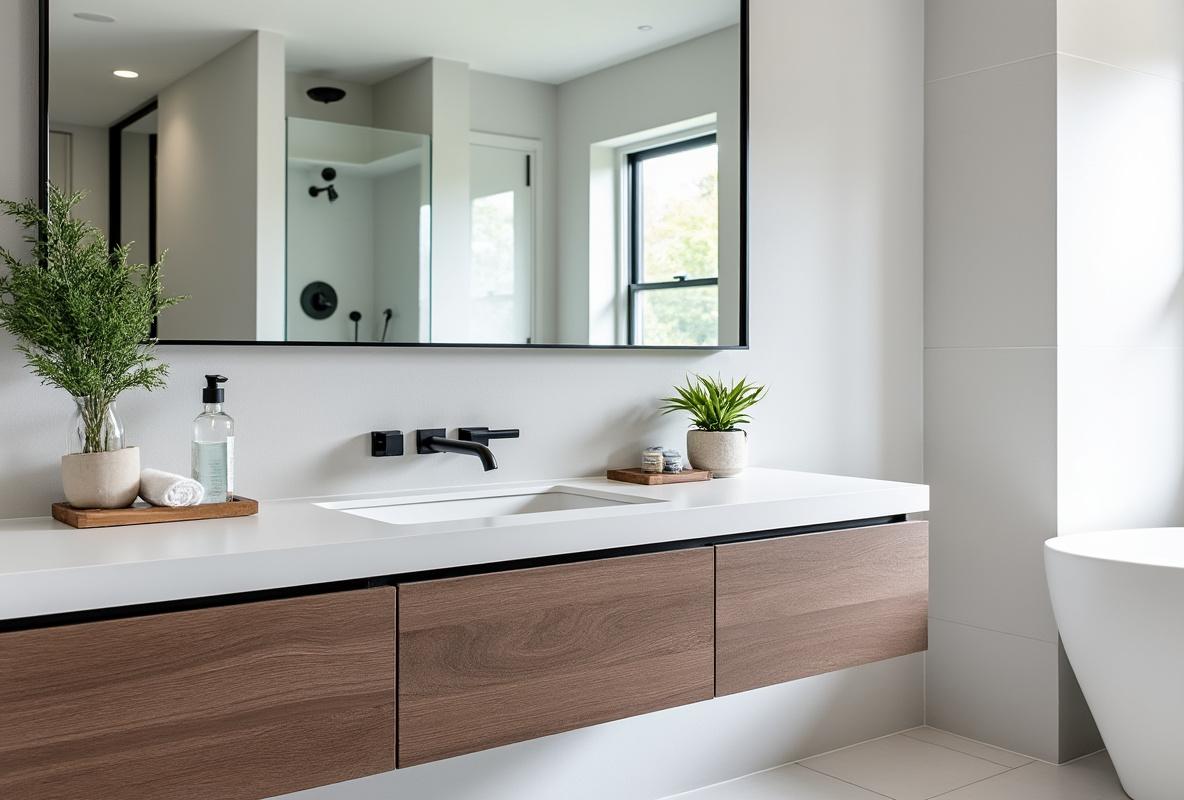
Remodeling your bathroom can dramatically improve your home’s value and your quality of life. If you’re searching for “bathroom remodeling near me” in Massachusetts, you’ve likely already considered the cosmetic benefits. However, a successful bathroom renovation requires careful planning, especially in New England’s unique climate and with our region’s often-older homes. This guide will walk you through key considerations, from ventilation to tile selection, ensuring your new bathroom is both beautiful and functional.
Understanding Massachusetts-Specific Challenges
Massachusetts homes often present unique challenges for bathroom remodeling projects. Many were built decades ago, meaning existing plumbing and electrical systems may need upgrades to meet current codes and handle modern fixtures. Moisture is a major concern due to our cold winters and humid summers. Proper ventilation and waterproofing are critical to prevent mold growth and structural damage. Furthermore, working with local building codes and permits is essential for a compliant and safe renovation.
Before starting any work, it’s wise to consult with a qualified general contractor familiar with Massachusetts building codes and the particularities of local homes. Sun Shore Construction, serving Needham, Newton, Lexington, Boston, Wellesley, Brookline, Weston, and surrounding communities, has extensive experience navigating these challenges.
Prioritizing Ventilation and Moisture Control
Effective ventilation is paramount in any bathroom, but especially so in Massachusetts. Our climate makes homes particularly susceptible to moisture buildup. Poor ventilation can lead to mold and mildew growth, damaging walls, ceilings, and even the structural integrity of your home. An inadequate exhaust fan will not only cause cosmetic issues but can also pose health risks.
When planning your “bathroom remodeling near me” project, consider these ventilation factors:
- Fan Size (CFM): Choose a fan with adequate cubic feet per minute (CFM) rating for your bathroom’s size. A general rule is 1 CFM per square foot of bathroom area. Consider increasing the CFM for bathrooms with showers or tubs that are frequently used.
- Fan Placement: Position the exhaust fan as close as possible to the shower or tub to capture moisture at its source.
- Ducting: Ensure the exhaust fan is properly ducted to the outside of your home. Venting into the attic or crawl space will simply move the moisture to another area, potentially causing problems there.
- Humidity Sensors: Consider installing an exhaust fan with a humidity sensor that automatically turns on when moisture levels rise.
Waterproofing is just as critical. Properly sealing shower walls, floors, and tub surrounds is essential to prevent water damage. Use high-quality waterproofing membranes and sealants during installation. Consult with a professional to ensure proper installation techniques are employed.
Plumbing Considerations in Older Homes
Many Massachusetts homes have older plumbing systems that may not be compatible with modern fixtures or capable of handling increased water usage. During your “bathroom remodeling near me” endeavor, assess the condition of your existing plumbing. Common issues include:
- Pipe Material: Older homes may have lead or galvanized steel pipes, which can corrode over time and affect water quality. Replacing these pipes with copper or PEX is often recommended.
- Pipe Size: Insufficient pipe size can lead to low water pressure, especially when multiple fixtures are in use simultaneously.
- Drainage: Old drains may be clogged or improperly sloped, causing slow drainage or backups.
- Water Heater Capacity: Ensure your water heater is adequately sized to meet the demands of your new bathroom, especially if you’re adding a larger shower or soaking tub.
A professional plumber can inspect your existing plumbing system and recommend necessary upgrades. They can also ensure that your new fixtures are properly installed and connected to the existing system. Remember, addressing plumbing issues during the remodeling process is often more cost-effective than dealing with them later.
Fixtures, Tile, and Lighting: Combining Functionality and Aesthetics
Selecting the right fixtures, tile, and lighting is crucial for creating a bathroom that is both functional and aesthetically pleasing. Consider the following:
- Fixtures: Choose fixtures that complement your bathroom’s style and meet your functional needs. Consider water-efficient toilets and showerheads to save water and reduce utility bills.
- Tile: Tile is a durable and versatile option for bathroom floors and walls. Consider the slip resistance of floor tiles, especially in wet areas. Porcelain and ceramic tiles are popular choices for their durability and water resistance.
- Lighting: Proper lighting is essential for both functionality and ambiance. Incorporate a combination of ambient, task, and accent lighting. Consider installing recessed lighting for general illumination, vanity lighting for grooming, and accent lighting to highlight architectural features.
When selecting materials, consider the overall aesthetic you want to achieve. Create a mood board with colors, textures, and finishes to visualize the final result. Don’t be afraid to mix and match styles to create a unique and personalized space. When you search for “bathroom remodeling near me”, be sure to view examples of past projects to inspire your own design choices.
Budgeting and Planning Your Bathroom Remodel
Creating a realistic budget and detailed plan is crucial for a successful bathroom remodel. Unexpected costs can quickly derail a project, so it’s essential to have a buffer built into your budget. Consider these factors when planning your bathroom remodel:
- Materials: Allocate a significant portion of your budget to materials, including fixtures, tile, lighting, and plumbing supplies.
- Labor: Factor in the cost of labor for all trades, including plumbers, electricians, and contractors.
- Permits: Obtain all necessary permits before starting any work. Permit fees can vary depending on the scope of the project.
- Contingency: Set aside a contingency fund to cover unexpected costs, such as unforeseen plumbing or electrical issues.
Develop a detailed plan that outlines the scope of the project, timeline, and budget. This will help you stay on track and avoid costly mistakes. Consider working with a professional contractor who can help you create a realistic plan and manage the project from start to finish. They can also ensure that all work is done to code and meets your expectations.
Ready to start your project? Contact Sun Shore Construction for Free consultation and estimate.