
If you’re searching for information about deck railing replacement, you’ve come to the right place.
As experienced Massachusetts contractors, we’ve helped hundreds of homeowners navigate their renovation projects successfully.
Deck Railing Replacement: A Massachusetts Homeowner’s Guide
Is your deck railing looking worse for wear? Wobbly, weathered, or just plain outdated deck railings can not only detract from your home’s curb appeal, but also pose a serious safety hazard. Whether you’re dealing with rotted wood, loose connections, or simply want to upgrade to a more modern style, this comprehensive guide will walk you through the key considerations and steps involved in deck railing replacement. Let’s get started and make your deck a safe and beautiful space again.
Introduction to Deck Railing Replacement
Deck railing replacement is a common home improvement project for Massachusetts homeowners. Our harsh New England winters and humid summers can take a toll on outdoor structures. Over time, deck railings can become damaged from moisture, pests, and general wear and tear. Ignoring these issues can lead to accidents and further structural damage to your deck. This guide will provide practical advice on how to assess your current deck railings, plan your replacement project, and ensure a safe and aesthetically pleasing outcome. Consider this as part of a larger deck renovation or as a standalone safety upgrade. Proper deck sealing is also important to prevent future damage.
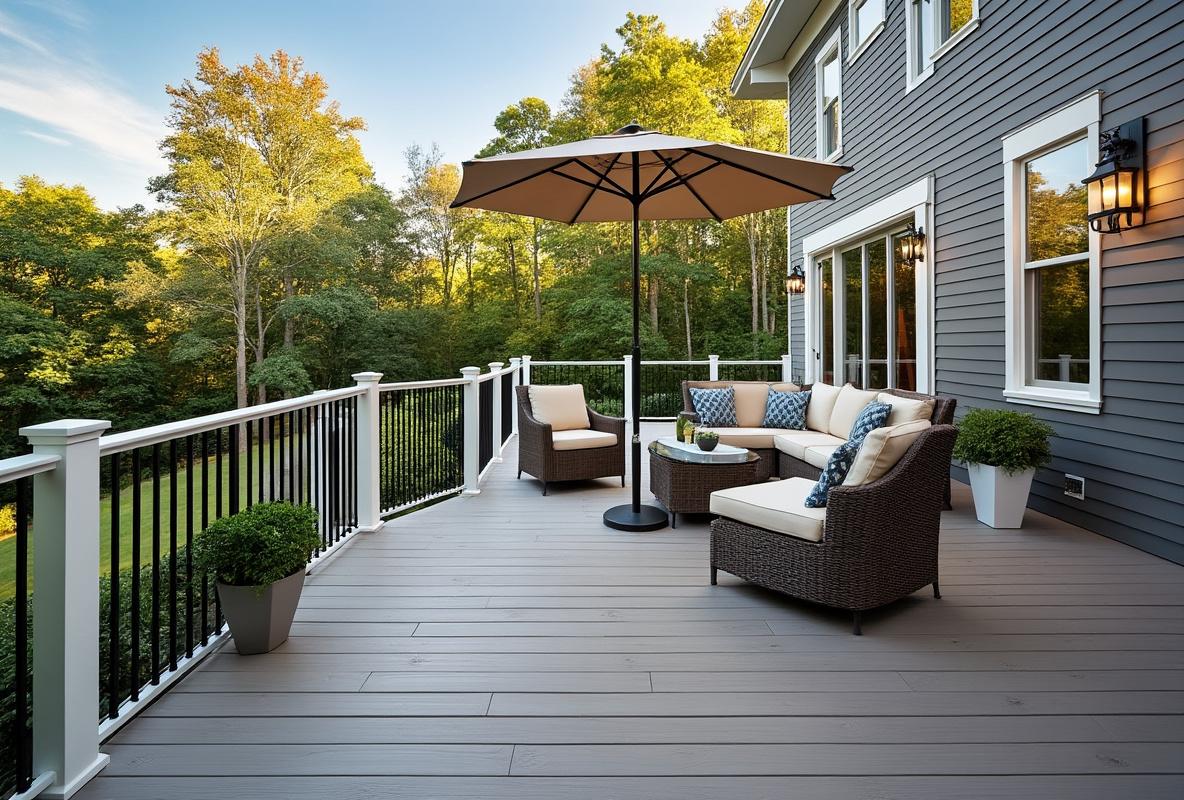
Key Considerations Before Starting Your Deck Railing Replacement Project
Before you grab your tools and start tearing down your old railings, there are several important factors to consider. These include safety regulations, material choices, and aesthetic preferences.
- Building Codes and Permits: Massachusetts has specific building codes regarding deck railing height, spacing between balusters, and overall structural integrity. It’s crucial to check with your local building department (Needham, Newton, Lexington, Boston, Wellesley, Brookline, Weston, etc.) to obtain any necessary permits and ensure your new railings comply with all regulations. Failure to do so could result in fines and require you to redo the work.
- Material Selection: From traditional wood to modern composites and metal, the material you choose will significantly impact the look, durability, and cost of your deck railings. Consider the pros and cons of each option:
- Wood: Classic and affordable, but requires regular maintenance (staining, sealing) to prevent rot and decay.
- Composite: Low-maintenance and weather-resistant, but can be more expensive than wood.
- Metal (Aluminum, Steel): Durable and modern, but can be prone to rust in coastal areas if not properly treated.
- Style and Design: Choose a railing style that complements your home’s architecture and your personal taste. Options include traditional balusters, modern cable railings, and glass panels. Think about how the style of your deck railings will enhance your outdoor living space.
- Safety: Prioritize safety above all else. Ensure your railings are sturdy, securely fastened, and meet all code requirements. Pay special attention to the spacing between balusters to prevent children from climbing or falling through.
How to Replace Your Deck Railings: A Step-by-Step Guide
This section outlines the general steps involved in deck railing replacement. However, always consult with a qualified professional if you’re unsure about any aspect of the project. Remember that proper deck staining or deck sealing after the installation can preserve the look and extend the life of your deck.
- Preparation: Gather your tools and materials. You’ll likely need a drill, saw, level, measuring tape, safety glasses, work gloves, and appropriate fasteners. Protect the surrounding area with drop cloths.
- Demolition: Carefully remove the existing deck railings. Depending on how they were installed, you may need to unscrew, unbolt, or pry them off. Be cautious not to damage the deck frame.
- Inspect the Frame: Check the deck frame for any signs of rot or damage. Repair or replace any compromised sections before installing the new railings. This is crucial for ensuring the structural integrity of your deck.
- Install New Posts: Securely attach the new railing posts to the deck frame. Ensure they are plumb and properly spaced according to code requirements. Proper post installation is critical for the stability of the entire railing system.
- Install Rails and Balusters: Attach the top and bottom rails to the posts. Then, install the balusters or infill panels, ensuring they are evenly spaced and securely fastened.
- Finishing Touches: Inspect all connections and make any necessary adjustments. Apply a protective finish, such as paint, stain, or sealant, to the railings. Consider adding decorative caps or other embellishments to enhance the appearance. Consider professional deck staining at this stage to improve the look and prolong the lifespan of your deck.
- Clean Up: Remove all debris and dispose of old materials properly.
Understanding Deck Railing Replacement Cost Factors
The cost of deck railing replacement can vary significantly depending on several factors, including:
- Materials: The type of material you choose (wood, composite, metal) will have a major impact on the overall cost.
- Size and Complexity: The length of the railing and the complexity of the design will also affect the price.
- Labor: Hiring a professional contractor will add to the cost, but it can ensure the job is done correctly and safely.
- Permits: Permit fees can vary depending on your location.
- Existing Damage: If you need to repair or replace any damaged sections of the deck frame, this will add to the cost.
Generally, you can expect to pay anywhere from a few hundred dollars to several thousand dollars for deck railing replacement. It’s always best to get multiple quotes from different contractors to compare prices and services.
Common Mistakes to Avoid During Deck Railing Replacement
To ensure a successful and safe deck railing replacement project, avoid these common mistakes:
- Ignoring Building Codes: Failing to comply with local building codes can result in fines and require you to redo the work.
- Improper Post Installation: Weak or poorly installed posts can compromise the stability of the entire railing system.
- Using Inadequate Fasteners: Using the wrong type of fasteners can lead to loose connections and potential safety hazards.
- Neglecting to Seal or Stain: Leaving wood railings unprotected can lead to rot and decay. Deck sealing is particularly important in Massachusetts.
- Not Hiring a Professional: Attempting a DIY project beyond your skill level can result in a poorly constructed and unsafe railing system.
Frequently Asked Questions
Do I need a permit for deck railing replacement in Massachusetts?
In most cases, yes. Even if you’re just replacing existing railings, you’ll likely need a permit to ensure your new railings comply with current building codes. Check with your local building department for specific requirements.
How often should I stain or seal my wood deck railings?
Generally, you should stain or seal your wood deck railings every 2-3 years, depending on the weather conditions and the type of finish used. Regularly inspecting your railings for signs of wear and tear can help you determine when it’s time for a new coat.
Can I install outdoor lighting on my deck railings?
Yes, you can install outdoor lighting on your deck railings to enhance safety and ambiance. Make sure to use weather-resistant fixtures and follow all electrical codes. Consider low-voltage lighting for energy efficiency and safety.
Conclusion
Deck railing replacement is a valuable investment that can enhance the safety, appearance, and value of your home. By understanding the key considerations, following the proper steps, and avoiding common mistakes, you can ensure a successful project that you’ll enjoy for years to come. Remember to prioritize safety, comply with local building codes, and choose materials that are both durable and aesthetically pleasing. Pressure washing the deck before starting the project can also improve the overall result and longevity.
Ready to start your project? Contact Sun Shore Construction for a free consultation.