
If you’re searching for information about historic home painting restoration, you’ve come to the right place.
As experienced Massachusetts contractors, we’ve helped hundreds of homeowners navigate their renovation projects successfully.
Revitalizing History: A Comprehensive Guide to Historic Home Painting Restoration
Owning a historic home in Massachusetts is a privilege, a connection to the past, and often a source of immense pride. However, maintaining its beauty and integrity, especially when it comes to exterior and interior painting, can be a complex undertaking. This comprehensive guide provides homeowners in Needham, Newton, Lexington, Boston, Wellesley, Brookline, Weston, and surrounding communities with actionable advice on approaching historic home painting restoration. We’ll cover everything from initial assessment and paint prep to color selection and long-term maintenance, ensuring your treasured property remains a vibrant part of New England’s architectural heritage.
Introduction to Historic Home Painting Restoration
Historic home painting restoration is more than just applying a fresh coat of paint. It’s about preserving the historical integrity of your property while providing necessary protection against the harsh New England climate. This process often involves meticulous paint prep, careful material selection, and a deep understanding of historical accuracy. Failing to consider these factors can lead to damage, decreased property value, and even legal repercussions in some historically protected areas.
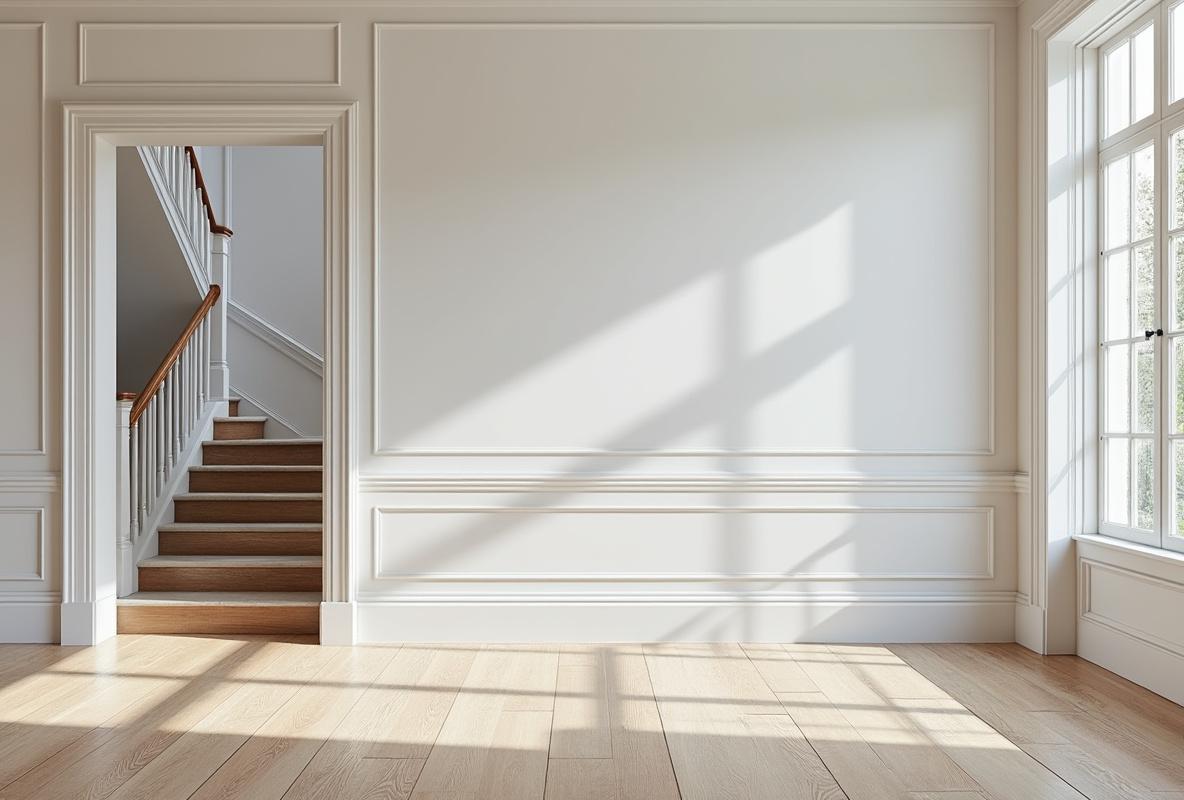
Key Considerations for Your Restoration Project
Before you even pick up a paintbrush, several factors must be carefully considered. These include:
- Historical Accuracy: Research the original color schemes and paint types used during your home’s era. Local historical societies and archives can be invaluable resources. Consider a professional color consultation to help you find historically appropriate options that also suit your personal style.
- Local Regulations: Massachusetts has specific regulations regarding alterations to historic properties. Check with your local historical commission for any restrictions or permitting requirements, especially if you plan on changing the exterior appearance significantly.
- The Existing Paint Condition: Assess the existing paint layers for lead content (especially in homes built before 1978). Lead paint requires specialized removal techniques and precautions to protect your health and the environment. Professional testing is highly recommended.
- Material Compatibility: Ensure the new paint is compatible with the existing paint layers and the underlying substrate (wood, plaster, etc.). Incompatible paints can lead to adhesion problems, peeling, and other forms of deterioration.
- Climate Considerations: Massachusetts’s fluctuating temperatures and high humidity demand durable, weather-resistant paints. Consider paints specifically formulated for exterior use in the Northeast.
The Historic Home Painting Restoration Process: A Step-by-Step Guide
A successful historic home painting restoration project requires a methodical approach. Here’s a breakdown of the key steps:
- Assessment and Planning: Thoroughly inspect the surfaces to be painted, noting any damage, peeling, or areas requiring repair. Develop a detailed plan outlining the scope of work, materials needed, and timeline.
- Paint Prep: This is arguably the most critical step. Begin by removing loose or flaking paint with scrapers, wire brushes, or chemical strippers (if lead paint is present, hire a certified professional for removal). Fill cracks and holes with appropriate patching compounds, sand smooth, and clean the surfaces thoroughly to remove dirt, grease, and mildew. Proper paint prep is essential for long-lasting results.
- Primer Application: Apply a high-quality primer to promote adhesion and create a uniform surface for the topcoat. The type of primer should be selected based on the substrate and the type of paint being used. Proper primer application is key.
- Painting: Apply the topcoat in thin, even layers, allowing adequate drying time between coats. Use high-quality brushes and rollers for a professional finish. For detailed areas like intricate moldings or window frames, consider professional trim painting techniques.
- Ceiling Painting: Pay close attention to ceilings, as they often show signs of water damage or cracking in older homes. Prepare the surface carefully and use a paint formulated for ceilings.
- Cleanup: Properly dispose of all waste materials, including paint cans, brushes, and rags. Clean your tools thoroughly for future use.
Understanding Cost Factors
The cost of historic home painting restoration can vary significantly depending on several factors:
- Size and complexity of the project: Larger homes with intricate architectural details will naturally cost more to paint.
- Condition of the existing paint: Extensive paint removal or repair work will increase labor costs.
- Materials used: High-quality paints and primers are more expensive but offer superior durability and longevity.
- Labor costs: Hiring experienced professionals will cost more than doing it yourself, but it can save you time, stress, and potential errors.
- Lead paint abatement: If lead paint is present, abatement will add significantly to the overall cost.
Generally, you can expect to pay more for historic home painting restoration than a standard painting job due to the increased labor, specialized materials, and expertise required. While DIY is an option, it’s often advisable to hire a qualified contractor for these types of projects. The cost range for a professional restoration project can vary greatly depending on the factors listed above.
Common Mistakes to Avoid
Many homeowners make mistakes during historic home painting restoration that can lead to costly problems down the line. Here are some common pitfalls to avoid:
- Skipping Proper Prep Work: This is the biggest mistake of all. Insufficient prep work will result in poor adhesion, peeling, and a short-lived paint job.
- Using Incompatible Paints: Mixing different types of paint can cause blistering, cracking, and other issues.
- Ignoring Lead Paint: Disturbing lead paint without proper precautions can expose you and your family to dangerous toxins.
- Not Obtaining Permits: Failing to obtain necessary permits can result in fines and delays.
- Choosing the Wrong Colors: Selecting colors that are not historically appropriate can detract from your home’s architectural character.
- Trying to DIY When You Shouldn’t: Some aspects of restoration, like lead paint removal, are best left to the professionals.
Frequently Asked Questions
How do I know if my house has lead paint?
The only way to know for sure if your house has lead paint is to have it tested by a certified professional. Homes built before 1978 are likely to contain lead paint.
What are the benefits of hiring a professional for historic home painting restoration?
Professionals have the expertise, experience, and specialized equipment to handle all aspects of the project, from proper paint prep to lead paint abatement. They can also ensure that the work is done in accordance with local regulations and historical preservation guidelines. Hiring a professional ensures a high-quality, long-lasting result.
How long does a historic home painting restoration project typically take?
The timeline depends on the size and complexity of the project. A simple exterior painting project might take a week or two, while a more extensive restoration could take several weeks or even months.
Conclusion: Preserving Your Piece of History
Historic home painting restoration is a worthwhile investment that can enhance the beauty, value, and longevity of your property. By carefully considering the factors outlined in this guide and following best practices, you can ensure a successful and satisfying outcome. Remember that careful planning, meticulous execution, and a commitment to preserving historical accuracy are essential for protecting your treasured piece of Massachusetts history. Whether addressing the need for careful trim painting, comprehensive paint prep or full project management, attention to detail will pay dividends.
Ready to start your project? Contact Sun Shore Construction for a free consultation.